
Table of Contents
- Who's helped by raising the minimum wage? : Infographics
- What is the Law Regarding Minimum Wage? - Time Clock Wizard
- IN MEMORIAM: Joe Lewallen (1960–2025) - McAfee & Taft
- Are you ready for the Increase in Minimum Wage on 1 April 2021 ...
- Minimum Wage Bumps Up in the New Year Across Illinois: How Much Will It ...
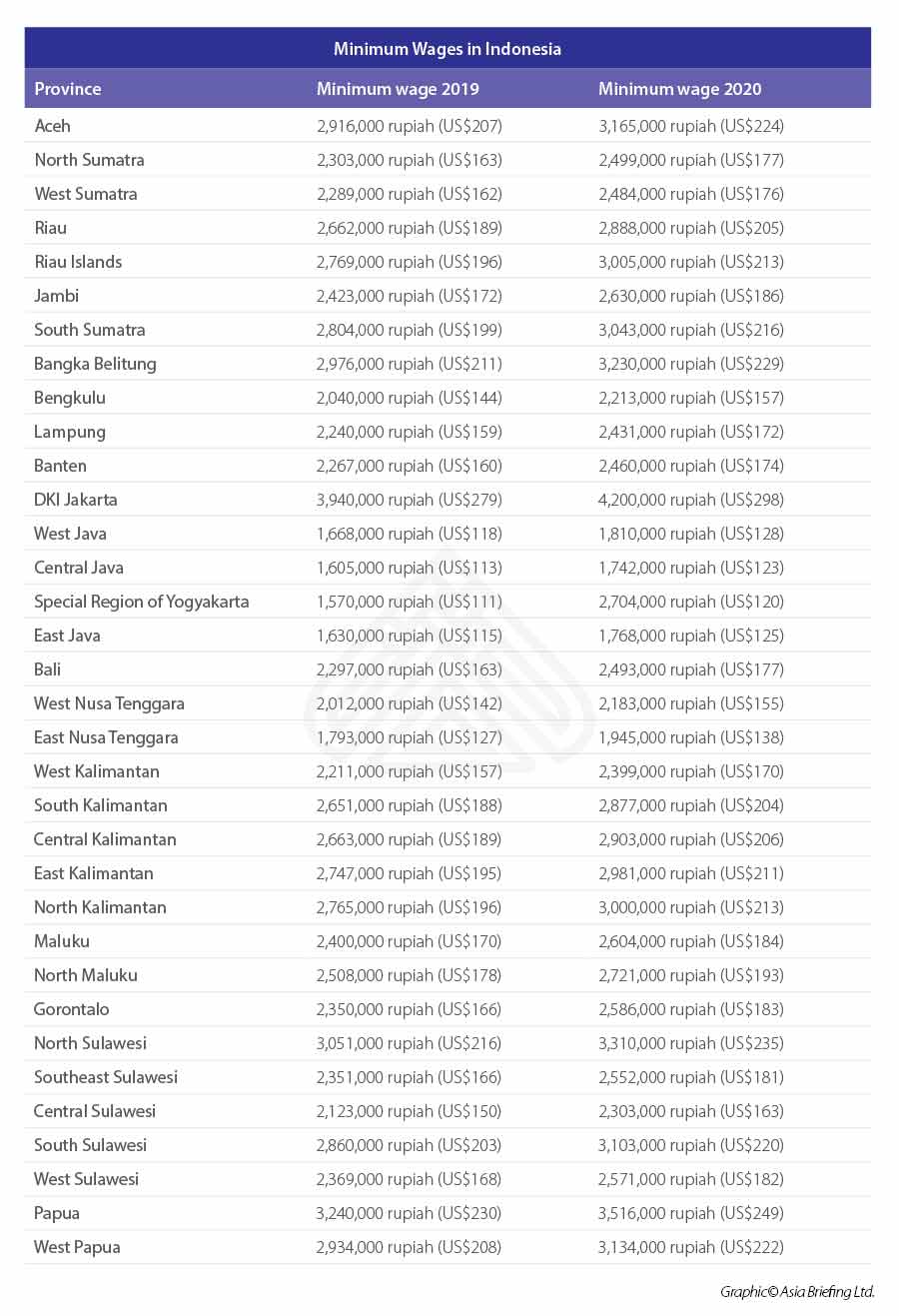
- Minimum Wages in ASEAN: How Are They Calculated?
- How you know minimum wage increase was a success | ROI-NJ
- Average Wages, the Minimum Wage, and Compliance in Indonesia, 1990-99 ...
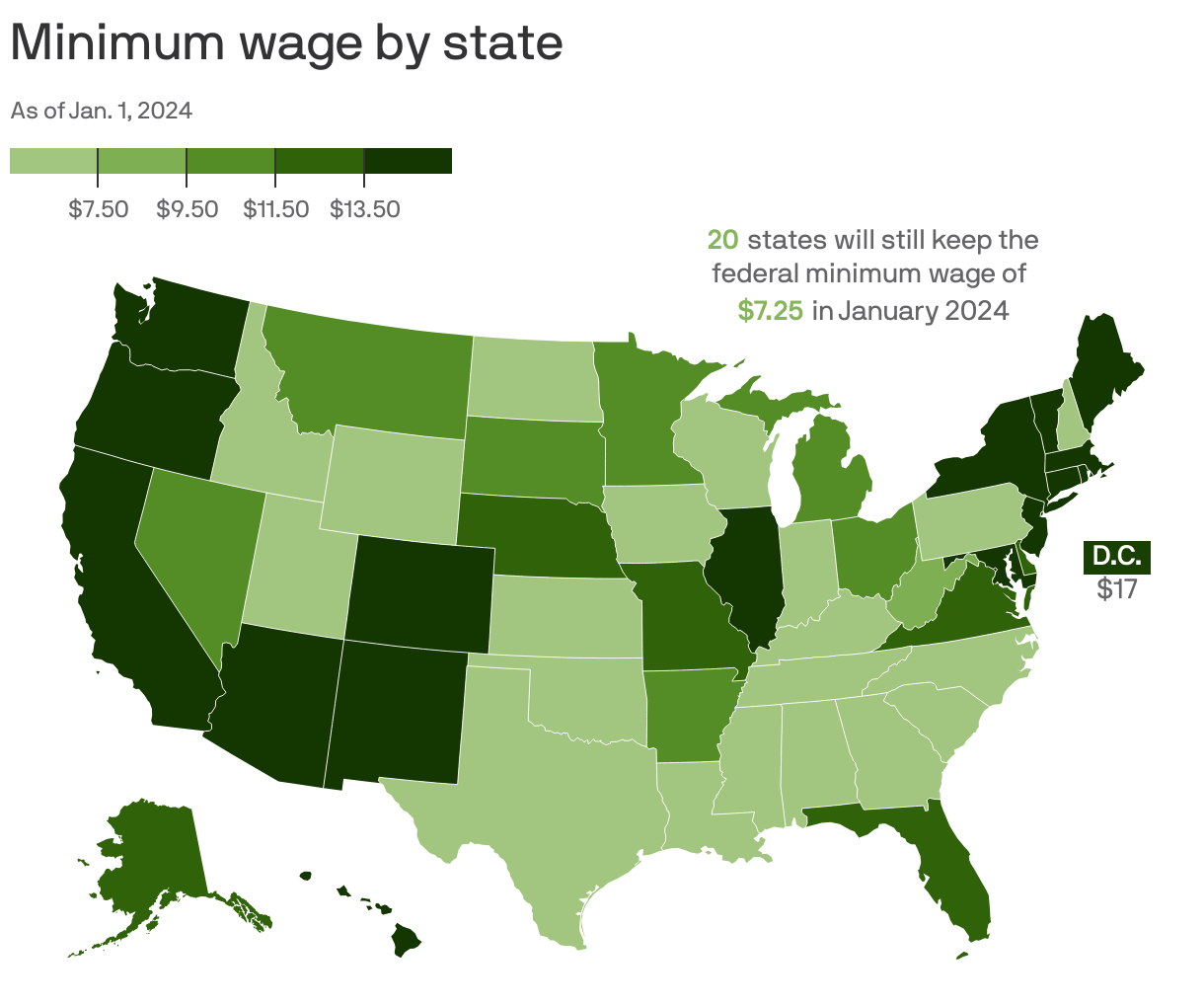
- See the 22 states where minimum wage is going up in Jan. 2025
- Korea’s 2023 minimum wage confirmed at .4, up 5% from 2022 - 매일경제 영문 ...


What is the Consolidated Minimum Wage Table?


Key Components of the Consolidated Minimum Wage Table


Importance of the Consolidated Minimum Wage Table
The Consolidated Minimum Wage Table plays a vital role in promoting fair labor practices in the United States. By providing a comprehensive overview of the minimum wage rates applicable to different industries and occupations, the table helps to ensure that employees are paid a fair wage for their labor. The table also helps to prevent wage theft and exploitation, as employers are aware of their obligations to pay the minimum wage rates. In conclusion, the Consolidated Minimum Wage Table is a valuable resource provided by the U.S. Department of Labor that promotes fair labor practices in the United States. By understanding the minimum wage rates applicable to different industries and occupations, employers and employees can ensure that they are complying with federal and state labor laws. As the minimum wage rates continue to evolve, it is essential to stay informed about the changes and updates to the Consolidated Minimum Wage Table. By doing so, we can work together to create a fair and equitable labor market that benefits all workers.For more information on the Consolidated Minimum Wage Table, visit the U.S. Department of Labor website. Stay up-to-date with the latest news and updates on labor laws and regulations by following the Department of Labor on Twitter and Facebook.